
Residential Metal Roofing
Metal Costs More Up Front. The Question Is Whether It Makes Sense for Your House.
Metal roofing can be a strong long-term choice for a Florida home, but it is not automatically the right roof for every property or every budget.
Burchfield Roofing helps homeowners compare metal roofing against architectural shingles based on the roof design, coastal exposure, expected time in the home, appearance, maintenance, and what they actually want from the next roof.
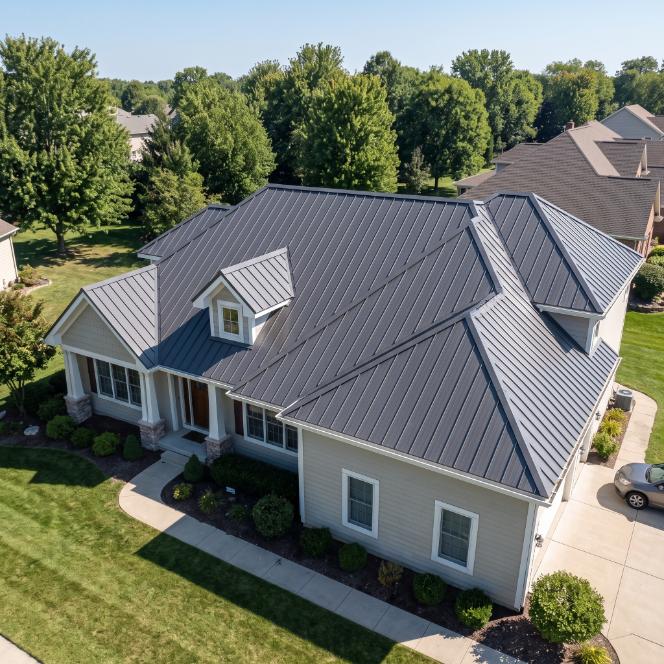
Before You Choose Metal
The Questions We Think Are Worth Answering First
Is metal worth the additional cost?
It can be if you value a long service life and expect to own the property long enough to benefit from it. Metal generally carries a higher initial price than asphalt shingles, so the decision should be based on how long you expect to keep the roof and what level of performance you want.
Does a metal roof make the house hotter?
Not simply because it is metal. Roof temperature and heat transfer depend on color, coating, solar reflectance, insulation, ventilation, and the roof assembly beneath the panels. Reflective roof finishes can reduce solar heat absorption, which can be useful in Florida.
How long can a metal roof last?
Properly designed standing seam systems can remain serviceable for decades. Industry research on certain coated steel standing seam systems has shown expected service lives of 60 years or more under suitable conditions. The actual life of a roof depends on material, coating, installation, exposure, maintenance, and the specific property.
How does metal handle hurricanes?
Metal roofing can be designed for high wind conditions, but the word “metal” by itself does not tell you how a roof will perform. Panel profile, fastening method, roof deck, edge details, tested assemblies, installation, and the specific building all matter.
Standing Seam vs. Exposed Fastener
These Are Two Different Metal Roof Systems
Homeowners often talk about “a metal roof” as if there is only one type. The way the panels attach to the roof is one of the biggest differences.
Standing seam systems conceal the fasteners beneath the panel seams. Exposed-fastener systems attach through the face of the panel with screws and sealing washers.
Metal vs. Asphalt Shingles
The Better Roof Depends on What You Care About
Asphalt shingles make sense for a lot of Florida homes. Metal makes sense for others. Cost alone does not answer the question.
Metal: Typically the larger initial investment.
Shingles: Usually lower up-front cost.
Metal: Can remain in service for several decades when the system, material, coating, and installation are appropriate.
Shingles: Shorter expected service life, but replacement cost is generally lower.
Metal: Repairs can involve panels, seams, flashing, coatings, or fasteners depending on the system.
Shingles: Localized damaged shingles can often be replaced when the surrounding roof is still serviceable.
Metal: Strong architectural look with clean panel lines and a wide range of finishes.
Shingles: Traditional residential appearance with broad color and style choices.
Metal: Often attractive to homeowners planning for a long ownership period or specifically wanting a metal roof system.
Shingles: A practical choice when price, repairability, and conventional appearance are priorities.
Metal Roofing in Northeast Florida
Coastal Exposure Changes the Material Conversation
A metal roof near the coast needs to be selected for the actual environment. Salt exposure, wind, panel design, substrate, coating, and manufacturer warranty requirements all deserve attention before the material is ordered.
Salt-laden air can accelerate corrosion. Different metals and coatings respond differently, and some steel product warranties restrict coverage based on distance from saltwater.
Panel profile, gauge, attachment, roof edges, deck condition, and tested wind-uplift performance matter in a hurricane-prone region.
Reflective coatings and lighter or specially formulated colors can reduce the amount of solar energy absorbed by the roof surface.
Material & Finish Selection
The Panel Is Only Part of the Decision
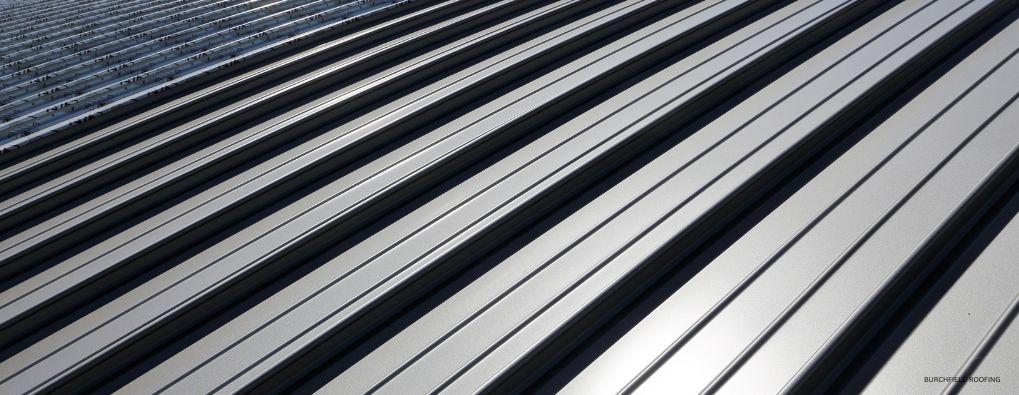
Metal roofing can be made from different substrates and finished with different coatings. Those choices affect appearance, corrosion resistance, fading, warranty coverage, and suitability for a particular location.
That is especially important around St. Augustine and the coast. A product that is appropriate several miles inland may have different warranty or exposure considerations on a home much closer to saltwater.
Metal Roofing & Homeowners Insurance
Can a Metal Roof Lower Your Insurance Cost?
Florida insurers offer wind-mitigation credits for qualifying construction features, and roof covering is one of the items considered during a wind-mitigation inspection. The amount of any credit depends on the property, roof system, installation details, inspection results, insurer, and policy. A metal roof by itself does not guarantee a lower premium. Check with your insurance agent or carrier before making a roofing decision based on expected savings.
Metal Roofing · St. Augustine, FL
Comparing Metal Roofing With Shingles?
Burchfield Roofing can look at the home, discuss the roof systems that make sense for the property, and help you compare the cost and practical differences before you commit to either one.
