
Know What Deserves Attention Before the Problem Spreads
A commercial roof inspection helps turn a leak, an aging roof, or a storm concern into a clearer next step. Burchfield Roof Services evaluates the visible roof system and the details most likely to affect performance on St. Augustine commercial buildings.
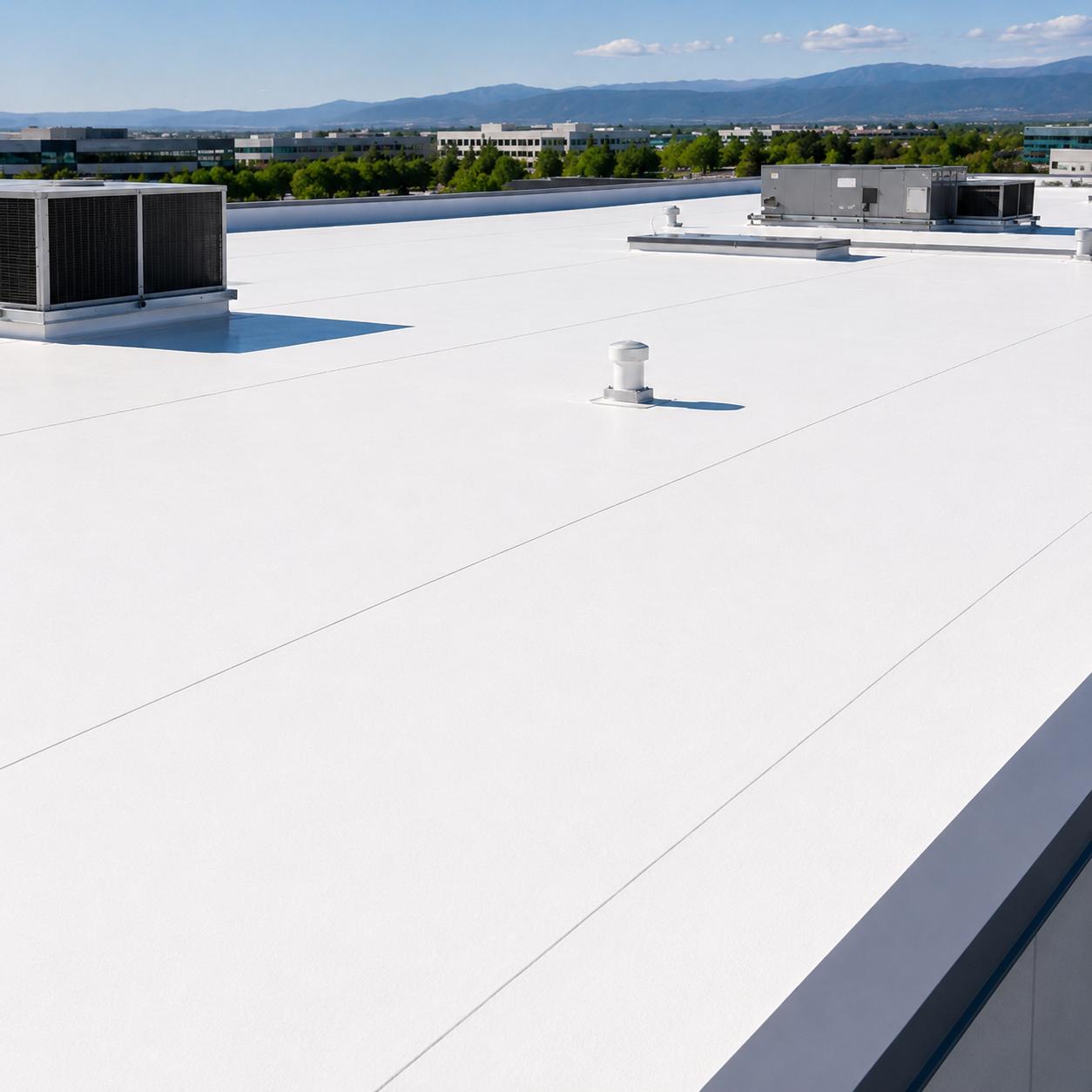
Commercial Roof Concerns Are Easier to Address When You Can See the Pattern
Trace visible trouble beyond the ceiling stain and look at the roof details above it.
Check exposed surfaces, edges, flashing, and rooftop components after severe weather.
Watch for changes in seams, surface condition, drainage, and prior repair areas.
Understand the roof's visible condition before planning repair, replacement, or building improvements.
What We Look at on a Commercial Roof
The goal is to evaluate the roof as a connected system. A problem at a seam, drain, curb, edge, or transition can allow water to travel before it becomes visible inside.
Roof Surface or Membrane
Visible wear, punctures, open areas, damaged materials, and changes across the field of the roof.
Seams & Flashing
Transitions and joined materials where movement, weather, or age can create vulnerable points.
HVAC & Penetrations
Curbs, pipes, vents, and other rooftop openings that require properly maintained details.
Drainage & Ponding
Drains, scuppers, low areas, debris, and visible signs that water is not leaving the roof as intended.
Edges & Perimeters
Roof edges, parapets, coping, and perimeter conditions that receive direct wind and weather exposure.
Visible Interior Clues
When accessible and relevant, interior staining or moisture clues can help connect a roof concern to the affected area.
An Inspection Should Lead to a Practical Roofing Decision
Not every finding needs the same response. The condition and extent of the issue help determine whether the roof should be watched, repaired, or evaluated for replacement.
Monitor & Maintain
Some conditions call for attention over time rather than immediate large-scale work.
Targeted Repair
An isolated seam, flashing detail, penetration, or damaged area may be addressed with focused repair work.
Replacement Evaluation
Widespread deterioration, recurring leaks, or broader moisture concerns may justify looking at the full roof system.
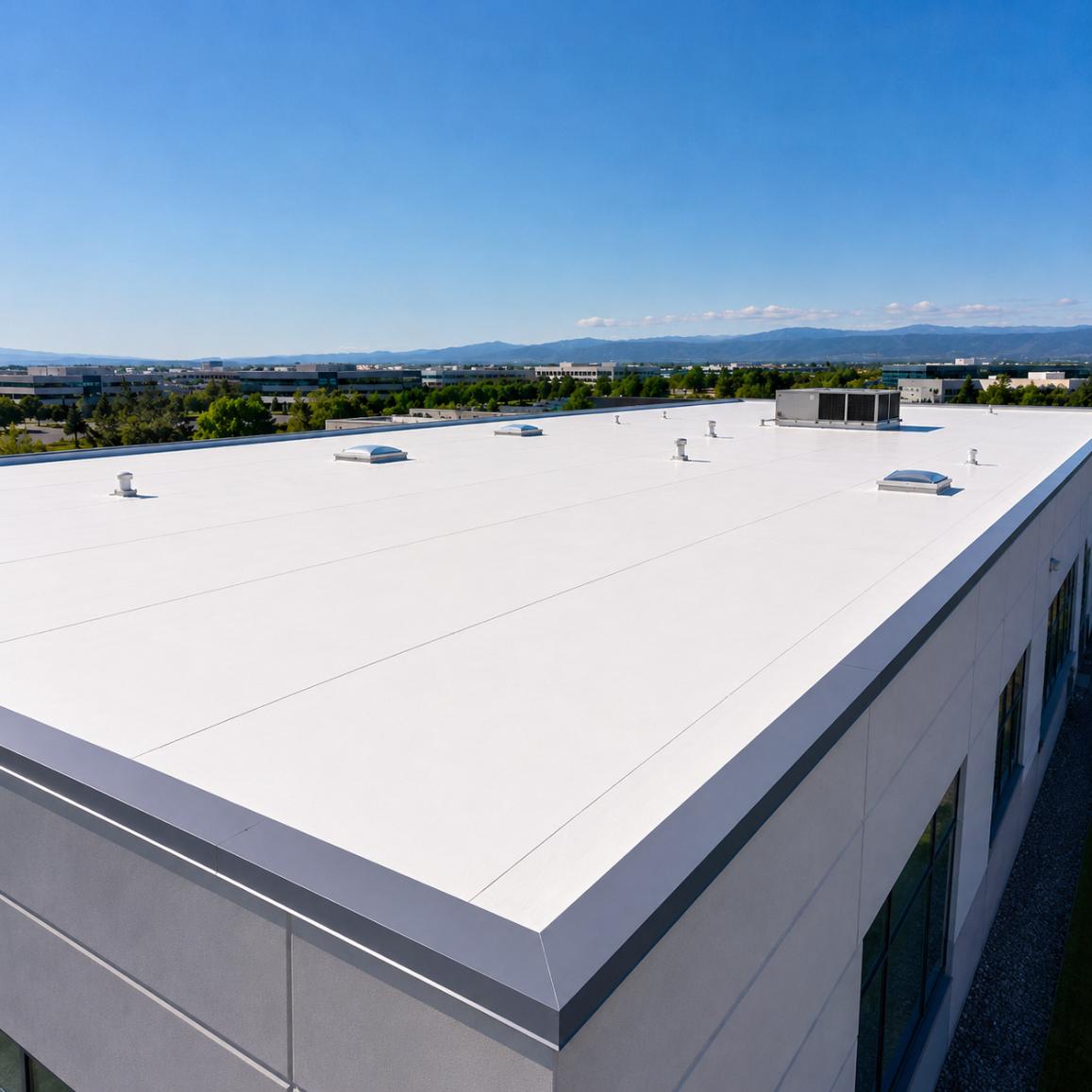
Small Details Can Create Large Interior Problems
On flat and low-slope commercial roofs, water can move away from the original opening before it appears inside. That is why an inspection looks beyond the most obvious stain or drip.
Seams, flashing, rooftop equipment, drains, scuppers, roof edges, and previous repairs all help build the full picture.
A Straightforward Commercial Roof Inspection Process
Share the Concern
Tell us about leaks, storm timing, prior repairs, visible damage, or any area of the building that needs attention.
Evaluate the Roof
We review accessible roof surfaces and visible details such as seams, flashing, penetrations, drainage, edges, and repair areas.
Discuss the Findings
We explain what appears to be happening, how broad the concern looks, and which areas deserve attention.
Choose the Next Step
Depending on the roof's condition, the next move may be monitoring, targeted commercial roof repair, or a replacement evaluation.
Florida Weather Puts Commercial Roof Details to Work
Rain & Drainage
Heavy rain makes clear drainage paths and sound seams, flashing, and transitions especially important.
Sun & Heat
Ongoing heat and ultraviolet exposure can contribute to visible aging across commercial roofing materials.
Wind & Storms
Edges, rooftop components, exposed materials, and previously vulnerable areas deserve attention after severe weather.
Common Questions About Commercial Roof Inspections
When should I have a commercial roof inspected?
An inspection is useful when you notice a leak, after severe weather, when the roof is showing visible age, or before planning a major repair or replacement.
Can you inspect a flat or TPO roof?
Yes. Burchfield's commercial services include flat and TPO roofing. These inspections pay close attention to seams, flashing, penetrations, drains, scuppers, edges, and ponding areas.
Can an inspection find the source of a leak?
An inspection can identify visible roof conditions that may be contributing to a leak. Because water can travel within a roof assembly, the interior location and the roof opening are not always directly above one another.
Does an inspection automatically mean I need a replacement?
No. The appropriate response depends on what is found. An isolated issue may be repairable, while repeated leaks or widespread deterioration may point toward a replacement evaluation.
Do you inspect commercial roofs after storms?
Yes. If wind, debris, or heavy rain has raised concerns about the roof, contact Burchfield Roof Services to discuss the building and schedule an inspection.
Schedule a Commercial Roof Inspection
If your building has a leak, an aging roof, or storm-related concerns, Burchfield Roof Services can inspect the visible roof system and help you understand the next step.
142 Hildreth Drive, St. Augustine, FL 32084